Travel-Friendly Safety Razor Tips and TSA Rules
Every frequent flier I know has a story about losing something at security. Mine involves a cherished chrome safety razor that spent one too many layovers in my dopp kit with a blade still inside. The TSA officer was courteous, firm, and correct. The blade went into the prohibited bin and I sprinted to my gate with a naked handle in my pocket. Since then, I have refined a routine that keeps my grooming consistent whether I am hopping between client meetings or spending a week abroad. If you prefer a safety razor to a cartridge, you can travel smoothly with a little preparation and a clear understanding of the rules.
What TSA actually allows
TSA rules are straightforward once you separate the razor from the blade. A safety razor or double edge razor body with no blade installed may go in your carry-on. The same applies to the head of a single edge razor. Double edge razor blades and other loose razor blades are not allowed in carry-on bags. Pack them in checked luggage, ideally in their original paper tucks or a blade dispenser. Cartridge razors with fixed blades, like the multi-blade heads found at the drugstore, are allowed in carry-on. So are disposable razors with permanently attached blades.
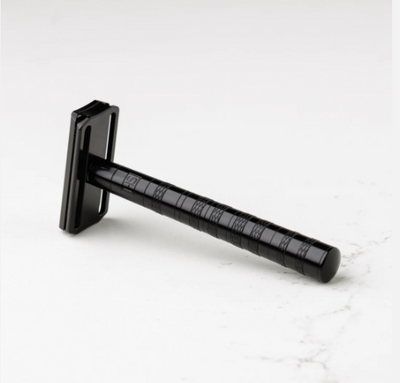
Screening officers always have discretion. If a blade is installed in double edge razor kit your safety razor, expect the handle to be allowed and the blade to be removed and confiscated. If you want a zero-drama checkpoint, separate the parts before you leave your house. I keep the top cap, base plate, handle, and head cap protector in a small fabric pouch. Blades live elsewhere in a checked bag. This extra minute at home saves you five tense minutes at the X-ray conveyor.
Other countries often mirror this approach but not perfectly. In the UK, loose razor blades generally belong in checked luggage as well. Canada and Australia follow similar patterns, and straight razors are commonly banned from carry-on worldwide. Still, security rules vary by airport and carrier. If your itinerary includes connections outside the United States, budget time for extra screening and confirm specifics with the local authority. When in doubt, assume loose blades in your carry-on will be rejected.
A quick snapshot you can remember at 5 a.m.
- Safety razor or double edge razor in carry-on: allowed only with no blade installed
- Double edge razor blades in carry-on: not allowed, put them in checked baggage
- Cartridge and disposable razors in carry-on: allowed
- Blades in checked luggage: allowed, keep them in original packaging or a secure case
- Final say: the officer at the checkpoint decides if an item passes
Minimizing hassle at the checkpoint
Security officers are trained to spot sharp edges and dense metal shapes. A fully assembled razor with a blade looks like exactly what it is. Disassembled parts without a blade look harmless. If you are flying carry-on only, bring the handle and head but plan to buy blades at your destination. Many supermarkets and pharmacies stock double edge razor blades near the shaving cream. You will not always find your favorite brand, but in most urban areas you can locate a sleeve of 5 or 10 blades within a short walk. For early arrivals or rural destinations, call ahead to a drugstore near your hotel and ask them to hold a pack.
I have also had good luck mailing a small parcel of blades to my hotel using the name on my reservation and the check-in date. Most front desks will accept a letter-size padded envelope and place it with your booking. This works best if you give them a heads-up and keep the package value low. Tape the blade tucks closed inside the envelope so nothing wanders if the seal gets torn.
Picking the right travel razor
Not all safety razors travel the same. A three piece razor with a compact handle tends to be the most reliable. It breaks down small, it rarely springs open accidentally, and if something loosens in your bag you are not chasing a hinged door. A two piece is also fine, though the long central post can dent a soft pouch. Twist to open designs are convenient at home and less convenient when a door pops open under pressure in a packed backpack. They are still perfectly viable, but protect the head.
Weight matters. Brass and stainless razors ride beautifully on the skin, but that same density makes a dop kit feel heavy fast. If I know I will be changing hotels daily, I prefer a short stainless handle with a thin head or a mid-weight zinc alloy. On a long trip where checked baggage is a given, I indulge in the heavier handle because I enjoy the balance. If you are serious about grams, aluminum travel razors shave well and are nearly featherlight, though they sometimes prefer a slightly sharper blade to compensate for their low mass.
A dedicated travel case helps. Some brands sell molded covers that slide over the razor head to protect the double edge razor blades and your fingers during storage. If you cannot find one, use a silicone head cap or even the plastic razor caps that come with certain models. Avoid makeshift solutions like rubber bands around the head. They can compress unevenly, encouraging the top cap to shift and the edge to peek out.
Blade choices when you are away from home
A blade that feels perfect in your bathroom may feel less predictable in a hotel with hard water and poor lighting. On the road, I prefer a smooth, mid-sharp blade over the absolute sharpest. Feather-level sharpness is phenomenal in a calm routine and a familiar mirror. In a cramped airport lounge at 6 a.m., it punishes rushed strokes. Something like a Personna Lab Blue, Gillette Silver Blue, or Astra SP gives you margin for error. If you are new to safety razors, take two brands you like. Begin with the milder one after a flight, then switch to the sharper pack once your skin settles on day two.
Pack blades in checked baggage inside a plastic or metal blade tuck holder. If you use a blade bank at home, bring a travel version. A small, screw-top metal tin labeled with a sticker works. When a blade dulls, wipe it dry, wrap it back in its wax paper if available, shaving store and drop it into the tin. Hotel waste baskets often use thin liners. Do not toss bare razor blades into those bags. Housekeeping deserves better, and local rules may require sharps to be contained.
Shaving cream, soaps, and the liquid rules
TSA treats creams, gels, and aerosols as liquids for the 3-1-1 rule. That means containers must be 3.4 ounces or 100 milliliters or less, and all of your liquids must fit in a single quart-size bag. If you use brushless cream, decant it into a travel tube and label it. If you prefer lather, a shave stick solves many problems. It is solid, it travels well, and you can face-lather without a bowl. I leave hard pucks at home unless I am checking a bag, and then only if I have room for a small lathering bowl.
Aerosol travel foams are convenient, but they count as liquids and can leak at altitude. If you must fly with one, pick a can with a locking cap. Pressurization changes on long flights can cause a slow hiss and a mess. Soft creams in screw-top tubs often survive with a layer of plastic wrap under the lid. If your itinerary is four nights or fewer, fill a small sample jar. Most shaves use about 1 gram of cream, give or take. A 10 gram jar is generous for a week.
Aftershaves follow the same rule. Splashes are liquids. Balms are often counted as liquids or gels. Alum blocks are solids and a great travel tool for tiny weepers or irritation. If you do nick yourself and you are racing to the gate, a quick cold water rinse and an alum pass will stop most minor bleeding faster than tissue paper.
Adapting to hotel bathrooms
You learn a lot about a city by how its hotel bathrooms feel. I have shaved at sinks the size of a cereal bowl and mirrors that fog the moment you hit the tap. When the setup is poor, adapt your technique. Use a small microfiber towel under your razor and brush to manage drips. If the mirror fogs instantly, run cold water for the first minute and start your prep. While your beard softens with the lather, crack the bathroom door to let air circulate. A shower shave is fine if you bring a small unbreakable mirror and keep strokes short.
Water hardness changes everything. In places with hard water, creams and slicker soaps beat airy, light lathers. They require less work and hold up between passes. A couple of drops of glycerin helps any lather in a pinch. I travel with a tiny vial and add one drop to the brush knot for pass two.
Timing your shaves around flights
Air travel dries skin. Low cabin humidity, recirculated air, and a long day in a mask if required will leave your face more sensitive than usual. Add turbulence and you have the conditions for a rough shave. I try to shave at night before a morning flight, not right before leaving for the airport. A night shave lets your skin calm down before the plane. It also means one less liquid to fuss with during the morning rush. If you have a business meeting a couple of hours after landing, plan a light cleanup pass at the hotel. That second shave should be gentle: with the grain only, minimal pressure, and a soothing balm afterward.
Red-eye flights demand a similar adjustment. If you must shave in an airport lounge, keep it surgical. A single pass with a mild setup, no touch-ups unless absolutely necessary. This is where a cartridge razor sometimes earns a place in your kit. Many experienced wet shavers carry both: a safety razor for proper shaves where time allows, and a compact cartridge for an emergency pass in poor conditions. You do not have to choose a side forever. Choose what works for the day ahead.
A compact carry-on checklist for safety razor users
- Razor handle and head disassembled, no blade installed
- No double edge razor blades in carry-on, plan to buy at destination or mail ahead
- Small solid soap stick or decanted cream inside the 3-1-1 bag
- Compact synthetic brush that dries fast, plus a microfiber towel
- Alum block or styptic pencil, and a non-glass container for used blades if you will have checked legs later
Packing strategy that survives turbulence
Think in layers. The outermost layer is leak control. Put anything wet or goo-prone in a zip bag. The middle layer is impact and abrasion. Razors and brushes should have their own sleeves. A hard case is nice for a high-polish handle that can scratch against metal zippers. The inner layer is organization. Keep the razor and brush together, and keep the blades far away if you are checking them. When a TSA officer opens your kit, they see separated, harmless parts.
I have used an index card to separate the top cap and base plate since a Lisbon trip where the cap kissed the plate for six hours of bumps and arrived with a faint rub mark. A thin piece of cloth or a leather slip also works. If your razor has a very tight tolerance head, back off the handle a quarter turn during storage so the pressure is not constant in one direction. Just remember to snug it down before shaving.
A synthetic brush is ideal for travel. It dries in a couple of hours, it resists mildew in a zipped kit, and it holds enough lather for two or three passes. Natural hair brushes can travel, but do not pack them damp and then hop two flights. If you do, shake them aggressively, pat dry with your towel, and leave the kit unzipped while you sleep.
Handling used blades while on the move
On a one week trip, most people need 1 to 3 blades. If your beard is coarse or you prefer crisp first-pass efficiency, bring three or four. I usually replace a blade after three to five shaves on the road because conditions are not ideal and tugging is more likely when you are distracted. When a blade feels tired, resist the urge to press harder. Swap it.
You will need a safe place to store used razor blades until you return home or reach a location that accepts sharps. Hotels rarely provide sharps containers in rooms. If you anticipate medical sharps use, request one ahead of time. For shaving, a small metal blade bank or a mint tin with tape over the edges does the job. Label it. You can also slide the old blade back into the empty slot of the paper tuck, then into a tin. Do not leave blades in the room trash even if you wrap them in tissue. Housekeeping handles those bags at speed.
What to do if your checked bag goes missing
It happens. You land, your bag does not. You find yourself for two days with a razor handle in your backpack and no blades. Go to a local pharmacy and buy a pack of double edge razor blades. If they are out, buy a basic cartridge razor to bridge the gap. Most major cities carry at least one brand of DE blades. In smaller towns, a supermarket may stock them near the disposable razors or on a high shelf behind the counter.
If you packed all your lathering gear in the missing bag, pivot. A can of foam is better than a dry shave. Baby shampoo can substitute for a mild face wash and even provide a slick base with a drop of glycerin. Use shorter strokes than usual. Rinse the razor often. Follow with the simplest balm you can find, ideally fragrance-free. Your skin has enough drama that day.
Cultural and legal differences abroad
While the TSA rules shape many American travelers’ habits, you will pass through other systems too. Security staff in the EU often apply similar logic to the United States, but I have seen variability within the same country. A loose pack of razor blades in a transparent bag is almost always rejected in hand luggage. Straight razors are treated as prohibited in carry-on. Some smaller airports in Asia and the Middle East scrutinize metal objects more aggressively and will swab items. None of this means you cannot bring your safety razor. It means you should plan to put the sharp bits in checked baggage or buy locally when traveling carry-on only.
Mailing blades to yourself may require a simple customs declaration depending on the country. Describe them plainly as razor blades for shaving, quantity inside, and the low value. Avoid exaggerations or vague descriptions that trigger inspections. Keep the parcel small and flat so it rides through the system without attracting attention.
Making the shave itself road-proof
Rushing is the enemy of a good shave. On the road, you are constantly tempted to rush. Counter that by limiting variables. Use a familiar razor with a known blade gap and exposure. If you enjoy an adjustable, set it to a mild number on travel days. Keep prep simple: warm water, face wash, lather, first pass with the grain. Rinse, re-lather, and decide if you truly need a second pass. Often, a gentle first pass plus a handful of buffing strokes in safe zones looks better than a full three pass ritual done poorly.
Grip matters when your hands are wet in an unfamiliar sink. Many travel razors have knurling that is too polite. If yours is slippery, wrap a narrow silicone band around the handle before you leave. It adds traction with almost no weight. If a hotel has particularly soft water, you might find your lather too voluminous and not slick enough. Load more product and add water in smaller increments. Aim for a lower, shinier sheen rather than a fluffy peak.
Caring for your gear in transit
Rinse blades thoroughly after use and shake out the razor. Pat the head dry with the towel, then leave it exposed to air for a few minutes before packing. Trapped moisture is rough on plated alloys and fosters rust on carbon steel blades. Stainless blades resist rust better, but still deserve to be dried. If you need to pack fast after a shower, use a hair dryer on the cool setting to blow water out of the head.
Hard knocks are the other threat. Zippers, metal buckles, and laptop edges chew through plating if things rattle. Separate your razor from those hazards. If you travel with a laptop stand or a roll of cables, put a soft layer between those and your razor kit. A sock works in a pinch.
When a cartridge makes sense
A purist view of shaving can get in your way. If you have a 36 minute connection and your hotel is a 90 minute taxi from the airport, this is not the time to be heroic with unfamiliar water, bad mirrors, and a brand new ultra-sharp blade. I keep a slim cartridge razor in the same case as my safety razor for precisely those days. TSA never blinks at it in carry-on. If you do this, protect the cartridge head with a snap-on cover so the gel strip does not smear through your kit.
There is also the security line calculus. If you are flying carry-on only and have a meeting the same day, bring the safety razor without a blade, plus a cartridge as backup. If you find blades easily at your destination, great. If not, you are still presentable.
Budgeting space and weight
Your grooming kit competes with everything else in your bag. A three piece double edge razor, five double edge razor blades, a 10 gram cream, a travel brush, an alum block, and a cloth weigh roughly 180 to 250 grams depending on materials. That is acceptable for most travelers. The heaviest component is usually the handle. If you are pushing a strict carry-on weight limit, swap to an aluminum handle, skip the bowl, and use a shave stick. Keep your liquids minimal. A 30 milliliter bottle of aftershave balm lasts 15 to 25 shaves. Do not carry a full-size bottle unless you are checking a bag.
How to talk to security if questioned
Be calm, be brief, and be respectful. If an officer asks about your razor, hand them the handle and head disassembled and say, It is a safety razor handle with no blade installed. If they find blades in your carry-on, do not argue. Ask if you may place them in the trash or return to the ticket counter to check a small bag. The answer depends on the airport layout and time of day. This goes smoother if your items are organized and clean. A tidy kit signals that you care about safety.
Final thoughts from miles of practice
Travel rewards preparation. The compact rituals you build at home make you resilient on the road. A safety razor delivers consistent, comfortable shaves far from your bathroom if you respect the rules and simplify your setup. Separate the razor from the blade before you leave. Put razor blades in your checked bag or plan to buy them on arrival. Choose smooth blades and a familiar razor head. Favor a synthetic brush, a shave stick, and an alum block for minimal mess. Know when to switch to a cartridge for a single quick pass, and when to wait for better lighting and a steady sink.
The more you travel, the more personal your system becomes. Mine has evolved through wet terminals, missed connections, and a few memorable hotel sinks. The constants remain: light pressure, sharp but forgiving double edge razor blades, and a willingness to adapt. The TSA rules are not an obstacle when you plan around them. They are simply the frame for a routine that works wherever your itinerary takes you.